
Benefits of Crawl Space Encapsulation
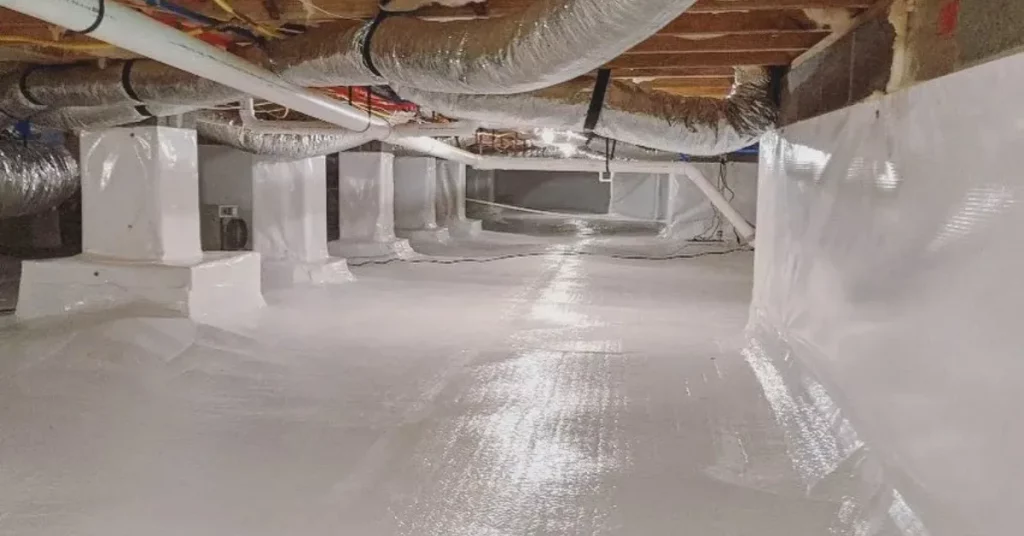
Quick answer: Crawl space encapsulation seals your crawl space from outside moisture and humidity, delivering better indoor air quality, lower energy bills, protection against wood rot and mold, and long-term structural protection — making it one of the most cost-effective upgrades for homes in humid climates like Tallahassee. Below is a full breakdown of each benefit, what causes the underlying problem, and why it matters specifically for homes in North Florida. What Is Crawl Space Encapsulation? Crawl space encapsulation is the process of sealing a crawl space completely from outside moisture using a heavy-duty vapor barrier, sealed vents, and often a dehumidification system. Instead of leaving the crawl space exposed to ground moisture and humid outside air, encapsulation creates a controlled, dry environment beneath your home. 1. Improves Indoor Air Quality Answer: Encapsulation reduces mold spores, allergens, and musty odors that travel from the crawl space into your living areas through your HVAC system and floor gaps. Roughly 50% of the air you breathe on the first floor of your home comes from your crawl space, through what’s known as the “stack effect” — air rises from the crawl space through your home rather than staying contained below it. An unsealed, damp crawl space means that air often carries mold spores, dust mites, and musty odors directly into your living space. 2. Lowers Energy Bills Answer: A sealed, insulated crawl space reduces the workload on your HVAC system by preventing conditioned air from escaping through gaps and humid air from forcing your system to work harder. Homes with unsealed crawl spaces often see their HVAC systems working overtime to compensate for humidity and temperature fluctuations coming from below. Encapsulation, especially when paired with insulation, creates a more stable thermal barrier — many homeowners report noticeably lower cooling costs during Tallahassee’s hot, humid summers. 3. Prevents Wood Rot and Structural Damage Answer: By eliminating excess moisture, encapsulation stops the conditions that cause wood rot in floor joists, subfloor, and structural framing. Wood rot requires sustained moisture to develop and spread. An encapsulated crawl space removes that moisture source entirely, protecting the structural wood components that support your home’s flooring system — preventing a problem that’s significantly more expensive to repair than to prevent. 4. Reduces Pest Infestations Answer: Termites, carpenter ants, and other pests are drawn to damp wood and high humidity — encapsulation removes the conditions that attract them. A dry, sealed crawl space is far less hospitable to wood-destroying insects than a damp, humid one, reducing the likelihood of infestations that can cause additional structural damage over time. 5. Increases Home Value Answer: Homes with documented crawl space encapsulation are often viewed more favorably by buyers and inspectors, since it signals proactive moisture management and reduces the risk of future structural or air quality issues. During a home sale, an unsealed, damp crawl space is a common red flag for buyers and inspectors alike. Encapsulation demonstrates that a known risk factor has already been addressed. 6. Protects Against Mold Growth Answer: Mold requires moisture to grow — encapsulation removes the humidity and dampness that mold needs to establish itself in your crawl space. Mold growth in a crawl space doesn’t stay contained; spores can spread through your home’s air system, affecting indoor air quality throughout the house, not just below the floors. 7. Provides Long-Term Cost Savings Answer: While encapsulation has an upfront cost, it prevents significantly more expensive future repairs — including wood rot remediation, mold removal, and HVAC strain — making it a cost-saving investment over time. Compare the cost of encapsulation to the cost of structural wood repair, mold remediation, and increased energy bills over several years, and encapsulation is almost always the more economical long-term choice. Why This Matters More in Tallahassee Than Other Climates Tallahassee’s combination of high humidity, heavy seasonal rainfall, and clay-based soil creates near-constant moisture pressure on crawl spaces that aren’t sealed. Homes in drier climates may be able to delay encapsulation without major consequences — but in North Florida’s climate, an unsealed crawl space is almost guaranteed to develop moisture-related problems over time, not just risk them. Is Crawl Space Encapsulation Worth It? For most homes in humid climates, yes. The combination of improved air quality, energy savings, and prevention of costly structural damage typically outweighs the upfront investment within a few years, especially when factoring in the cost of the repairs it prevents. Get a Professional Crawl Space Assessment If you’re dealing with musty odors, humidity, or general concerns about your crawl space’s condition, the best first step is a professional inspection. Our team provides free crawl space inspections in Tallahassee, including a clear assessment of whether encapsulation is right for your home. Frequently Asked Questions What are the main benefits of crawl space encapsulation?The main benefits are improved indoor air quality, lower energy bills, prevention of wood rot and mold, reduced pest activity, and long-term structural protection. Does crawl space encapsulation really improve air quality?Yes. Since a significant portion of a home’s indoor air originates from the crawl space, sealing out moisture, mold spores, and allergens directly improves the air quality throughout the home. How much does crawl space encapsulation cost?Cost depends on crawl space size, existing damage, and whether a dehumidifier is included. See our full crawl space encapsulation cost guide for a detailed breakdown. How long do the benefits of encapsulation last?With proper installation and periodic maintenance, an encapsulated crawl space can provide protection for 15–20 years or more, though vapor barrier lifespan varies by material quality.
Best 8 Foundation Leak Repair Solutions
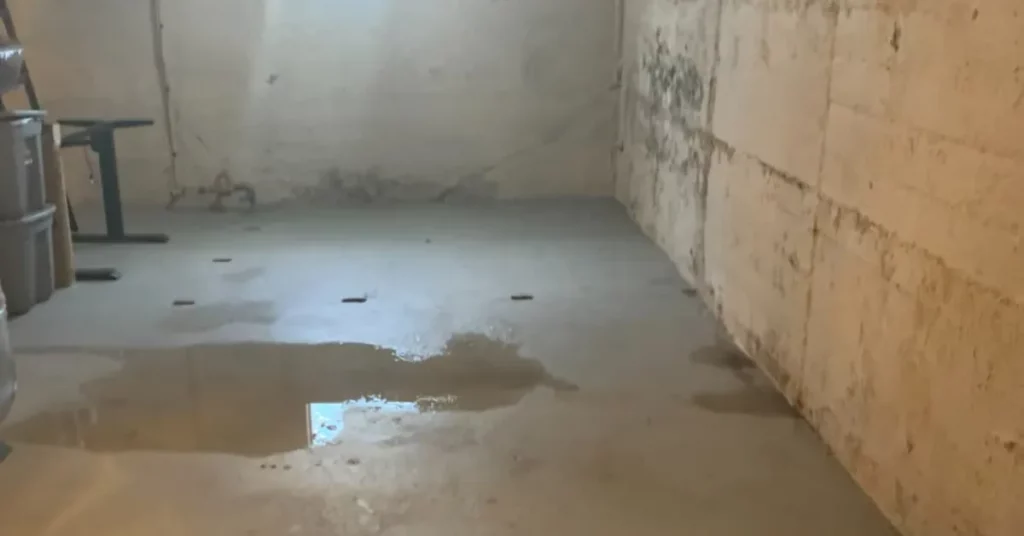
A leaking foundation isn’t just an inconvenience — left unaddressed, water intrusion can weaken structural support, encourage mold growth, and lead to far more expensive repairs down the road. The right solution depends on where the leak is coming from and how severe it is, so here are the 8 most effective foundation leak repair methods used in Tallahassee homes today. 1. Epoxy Injection for Cracks For non-structural hairline cracks that are letting water seep through, epoxy injection is one of the most reliable fixes. The epoxy is injected directly into the crack, bonding the concrete back together and creating a watertight seal from the inside out. Best for: Small to medium cracks with minor water seepage, no active structural movement. 2. Polyurethane Foam Injection Similar to epoxy injection, but polyurethane foam expands as it cures, making it especially effective for cracks that are actively leaking or expected to move slightly with seasonal soil shifts. It’s flexible once cured, which helps it hold up better than rigid epoxy in cracks prone to movement. Best for: Actively leaking cracks, or cracks in areas with fluctuating moisture and soil movement. 3. Exterior Waterproofing Membrane This involves excavating around the foundation and applying a waterproof membrane directly to the exterior wall, stopping water before it ever reaches the concrete. It’s more invasive and costly than interior fixes, but it addresses the source of the problem directly rather than just sealing the interior symptom. Best for: Widespread leaking, older homes without existing waterproofing, or homes with a history of recurring water issues. 4. Interior Drainage Systems (French Drains) An interior French drain system channels water that seeps through foundation walls into a drainage channel along the interior perimeter, directing it to a sump pump for removal. This doesn’t stop water from entering the concrete, but it manages where that water goes before it can pool or cause damage. Best for: Homes with consistent minor seepage where excavation isn’t practical or affordable. 5. Sump Pump Installation A sump pump collects water that accumulates in a basin (often paired with a French drain system) and actively pumps it away from your foundation. This is a critical component for homes in low-lying areas or with a history of water pooling near the foundation. Best for: Homes with recurring water accumulation, especially during Tallahassee’s heavy seasonal rains. 6. Grading and Landscaping Correction Sometimes the simplest fix is correcting the slope of the ground around your home. If soil grading directs rainwater toward your foundation instead of away from it, water will keep finding its way in no matter how many interior fixes you apply. Regrading redirects water flow away from the foundation naturally. Best for: Homes where poor drainage or negative grading is the root cause, not the concrete itself. 7. Water Diversion and Gutter Extensions Improperly directed downspouts and gutters are a surprisingly common cause of foundation leaks. Extending downspouts to release water well away from the foundation, and ensuring gutters are clear and functioning, can significantly reduce the water pressure your foundation deals with during heavy rain. Best for: Homes where roof runoff is contributing to foundation moisture, often used alongside other repair methods. 8. Full Underpinning with Water Diversion For foundations with both structural movement and water intrusion, addressing the leak alone isn’t enough — the underlying structural issue needs to be stabilized first. Full underpinning combined with integrated water diversion tackles both problems together, preventing the leak from simply returning once the structural shift continues. Best for: Severe cases involving both foundation settling and persistent water intrusion. How to Know Which Solution Is Right for Your Home Not every leak needs the same fix — a small hairline crack might only need epoxy injection, while a home with ongoing settlement and chronic water intrusion may need a more comprehensive approach combining several of these methods. This is why a professional inspection matters more than guessing based on symptoms alone: the wrong fix can mask a bigger problem instead of solving it. A thorough inspection should identify: Get a Professional Foundation Leak Inspection in Tallahassee If you’re dealing with water intrusion, don’t wait for a small leak to become a bigger structural issue. Our team offers free foundation inspections in Tallahassee, including water diversion and drainage assessments, so you get a complete picture of what’s causing the leak and the most effective way to fix it — for good. FAQ Can I fix a foundation leak myself? Minor surface sealing might seem like a DIY option, but most effective leak solutions require identifying the actual water source and structural condition first. A DIY fix that doesn’t address the root cause often means the leak returns, sometimes worse than before. How much does foundation leak repair cost? Cost depends heavily on the method needed — a simple epoxy injection is far less costly than exterior waterproofing or underpinning. Read our full foundation repair cost guide for detailed pricing factors. Is a foundation leak always a sign of a serious problem? Not always — some leaks are simply drainage-related and don’t indicate structural damage. However, persistent or worsening leaks should always be inspected, since water intrusion can eventually contribute to structural issues if left unaddressed.
How to Tell If You Have Wood Rot in Your Crawl Space
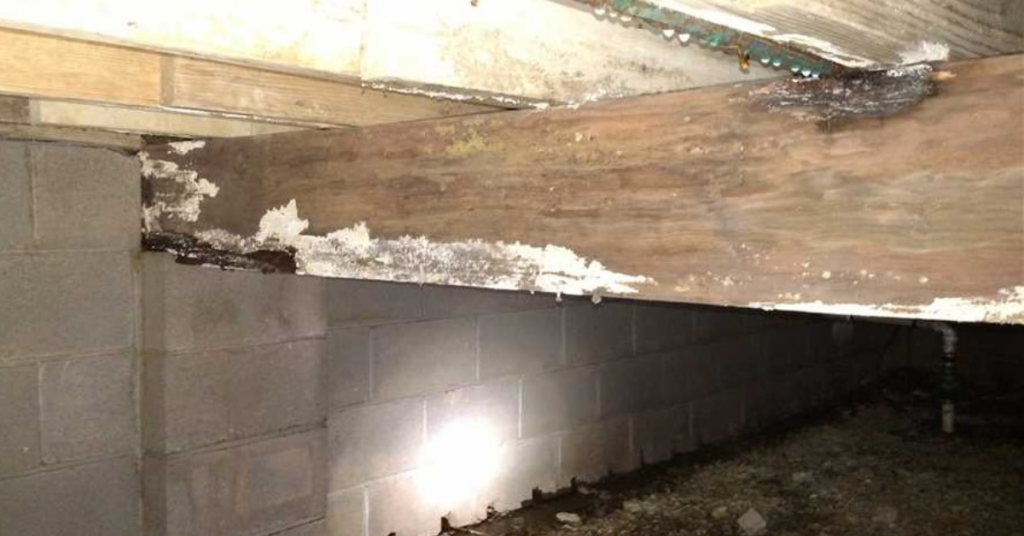
Wood rot is one of those problems that often goes unnoticed until it’s already caused significant damage — mostly because it develops out of sight, in a part of your home most people rarely visit. But left untreated, wood rot can compromise your subfloor, weaken structural support, and lead to far more expensive repairs than if it had been caught early. Here’s how to recognize the warning signs, and why Tallahassee homes are especially at risk. 1. A Persistent Musty or Earthy Odor If you notice a musty smell in your home — especially near floor vents or in rooms above the crawl space — it’s often one of the first signs of moisture buildup and early wood decay. This smell comes from fungal growth breaking down wood fibers, and it tends to get stronger as the rot progresses. 2. Soft or Spongy Flooring Walk across your floors and pay attention to any spots that feel soft, spongy, or slightly give under your weight. This usually means the subfloor or joists beneath that area have been weakened by rot and are no longer providing solid support. 3. Sagging or Uneven Floors Similar to foundation settling, wood rot in floor joists can cause visible sagging or unevenness in your flooring. If you notice a dip in one area of a room, or furniture that seems to sit at a slight angle, weakened joists underneath may be the cause. 4. Visible Discoloration or Crumbling Wood If you’re able to safely inspect your crawl space yourself (or have a professional do it), look for wood that appears darker than surrounding areas, feels soft to the touch, or crumbles easily when pressed. This is a clear sign of active decay. 5. Sagging or Warped Wood Beams Structural beams and joists affected by rot often visibly sag, warp, or bow over time. This is a more advanced sign of damage and typically indicates the rot has been progressing for a while. 6. Increased Pest Activity Termites, carpenter ants, and other wood-destroying insects are often drawn to damp, decaying wood. If you’re noticing new pest activity near your crawl space or foundation, it may be a signal that wood rot is already present and creating an inviting environment for pests. 7. Visible Mold or Fungus Growth Wood rot is caused by fungal growth, so it’s common to see visible mold, mildew, or fungal patches on affected wood surfaces. This is often paired with the musty odor mentioned earlier. Why Wood Rot Is Common in Tallahassee Crawl Spaces Tallahassee’s high humidity and heavy seasonal rainfall create near-constant moisture exposure for crawl spaces that aren’t properly sealed or ventilated. Without a vapor barrier or encapsulation system, ground moisture works its way into wood framing and subfloor materials, creating the damp conditions wood rot needs to take hold and spread. This is why wood rot and crawl space moisture problems are so closely connected — addressing one without the other rarely solves the issue long-term. Why You Shouldn’t Wait to Address Wood Rot Wood rot doesn’t stay contained — it spreads to adjacent wood as long as moisture conditions persist. The longer it goes untreated: Catching wood rot early typically means a smaller, more affordable repair — and it’s also the right time to consider whether crawl space encapsulation makes sense to prevent the moisture problem from recurring. What to Do If You Suspect Wood Rot If you’re noticing any of these signs, the next step is a professional inspection — not a DIY fix. Wood rot repair involves removing and replacing structurally compromised wood, and in many cases, addressing the underlying moisture source at the same time. A patch job that ignores the moisture problem will likely just lead to rot returning in the same spot. Our team provides free crawl space inspections in Tallahassee, so you can get a clear picture of the damage and a straightforward plan to fix it — including whether encapsulation should be part of the solution. FAQ Can I repair wood rot myself?Minor surface-level rot might seem simple to patch, but wood rot often extends further than what’s visible, and the underlying moisture source needs to be addressed too. A professional inspection ensures the repair actually solves the problem rather than masking it temporarily. Does homeowners insurance cover wood rot damage?Typically not, since wood rot is considered a gradual, preventable issue rather than sudden damage. Coverage may apply if the rot resulted from a covered event, like a sudden plumbing leak — check your specific policy for details. How do I know if I need wood rot repair, encapsulation, or both?This depends on whether the moisture problem is ongoing or has already been addressed. If your crawl space isn’t currently sealed or encapsulated, addressing both together is usually the most effective long-term solution. Schedule an inspection to find out what your home needs.
Crawl Space Encapsulation Cost Guide: What Tallahassee Homeowners Should Know
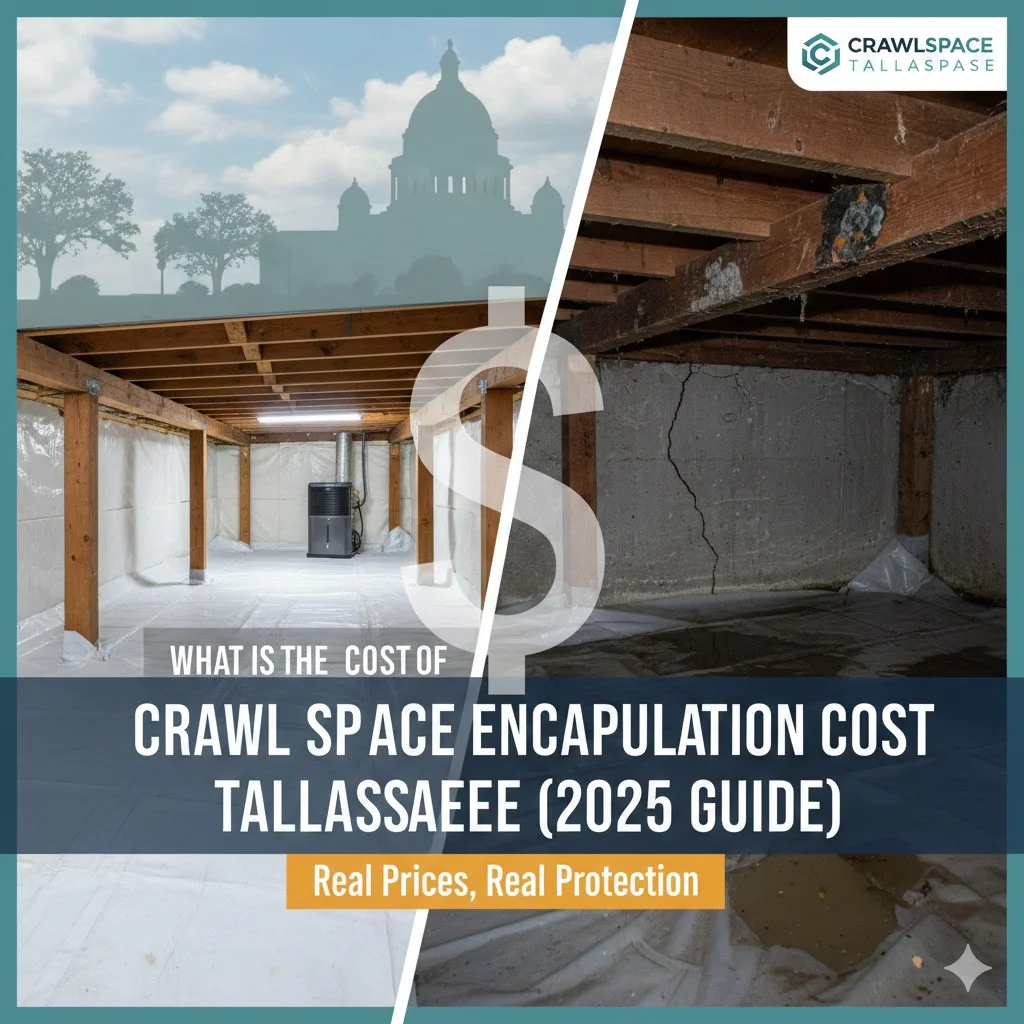
If you’ve noticed musty odors, high humidity, or visible moisture in your crawl space, you’ve probably started researching encapsulation — and quickly run into the same question every homeowner asks: how much does this actually cost? Crawl space encapsulation costs vary depending on the size of your crawl space, the extent of moisture damage, and which components your home needs. Here’s a clear breakdown to help you budget realistically before you start getting quotes. What Is Crawl Space Encapsulation? Encapsulation involves sealing your crawl space completely from outside moisture and humidity using a heavy-duty vapor barrier, sealed vents, and often a dehumidification system. Unlike a basic moisture barrier laid loosely on the ground, full encapsulation creates a sealed, controlled environment — protecting your subfloor, insulation, and ductwork from the humidity and moisture that Tallahassee’s climate makes almost unavoidable. What Affects the Cost of Crawl Space Encapsulation? 1. Size of Your Crawl SpaceCost is typically calculated per square foot, so larger homes naturally cost more to encapsulate than smaller ones. A crawl space with difficult access or low clearance can also add labor time and cost. 2. Extent of Existing DamageIf your crawl space already has wood rot, mold, or standing water, that damage needs to be addressed before encapsulation — otherwise you’re sealing a problem in rather than solving it. Homes with existing damage will cost more than those getting encapsulation as a preventative measure. 3. Vapor Barrier QualityVapor barriers range from lighter-duty materials to thick, reinforced, puncture-resistant liners. Higher-quality materials cost more upfront but hold up significantly longer, especially in humid climates like ours. 4. Dehumidification SystemMany Tallahassee crawl spaces benefit from — or need — a dedicated dehumidifier to maintain low humidity levels year-round. Adding this component increases upfront cost but significantly reduces the risk of moisture problems returning. 5. Drainage or Water Diversion NeedsIf your crawl space has an active water intrusion problem (not just humidity), you may need drainage or water diversion work done alongside encapsulation. Skipping this step to save money often means moisture finds its way back in regardless of how good your vapor barrier is. 6. Vent and Access Door SealingProperly sealing existing foundation vents and access points is part of a complete encapsulation job — an incomplete seal defeats the purpose of the whole system. Why Tallahassee Homes Often Need Encapsulation Tallahassee’s high humidity and heavy seasonal rainfall create near-constant moisture pressure on crawl spaces. Without encapsulation, that moisture works its way into wood framing, insulation, and ductwork — leading to wood rot, mold growth, and reduced indoor air quality throughout the home, not just in the crawl space itself. Homes built on clay-heavy soil are especially prone to trapped ground moisture, making encapsulation less of a luxury upgrade and more of a practical necessity for many Tallahassee properties. Is Encapsulation Worth the Cost? For most homes in our climate, yes — and here’s why: How to Get an Accurate Quote Because cost depends so heavily on your specific crawl space conditions, the only reliable way to know your real number is a professional inspection. A thorough inspection should assess: Avoid quotes given without an in-person inspection — accurate pricing depends on seeing the actual conditions, not just square footage on a phone call. Protect Your Home With Professional Crawl Space Encapsulation If you’re dealing with musty odors, humidity, or visible moisture in your crawl space, waiting rarely makes the problem smaller. Our team offers free crawl space inspections in Tallahassee, with clear, itemized quotes so you know exactly what you’re paying for and why. FAQ How long does crawl space encapsulation take?Most residential encapsulation projects are completed within 1–3 days, depending on crawl space size and whether additional repairs (wood rot, drainage) are needed first. Does encapsulation eliminate the need for a dehumidifier?Not always — while encapsulation dramatically reduces moisture intrusion, many Tallahassee homes still benefit from a dedicated dehumidifier to maintain consistently low humidity levels, especially during peak summer months. Will encapsulation fix existing wood rot?No — encapsulation prevents future moisture damage, but existing wood rot needs to be repaired separately before encapsulation begins. Learn more about our wood rot repair process here.
Signs Your Home Needs Foundation Repair
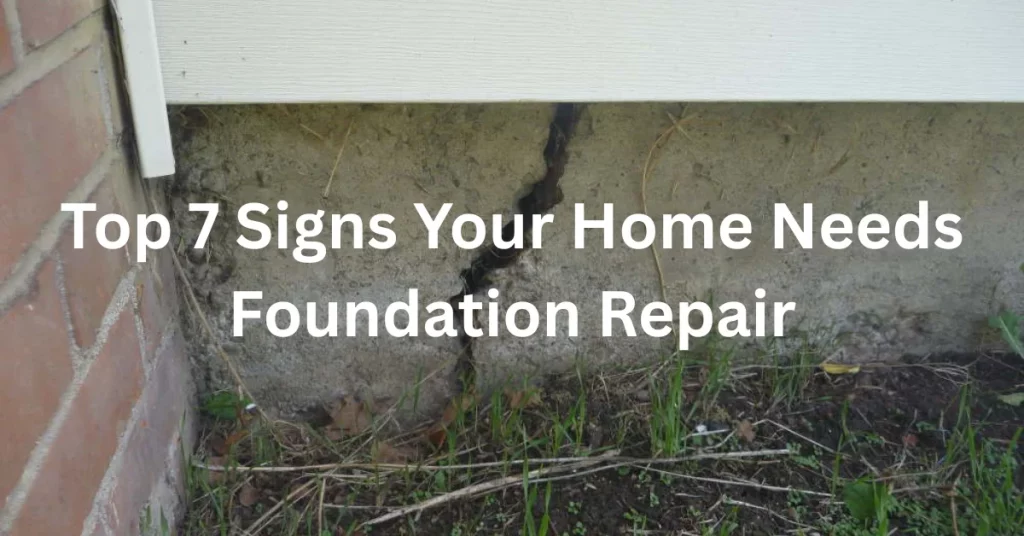
Foundation problems rarely announce themselves all at once. Instead, they show up as small, easy-to-dismiss issues — a door that suddenly sticks, a hairline crack in the drywall, a floor that feels slightly uneven. On their own, each of these might seem minor. Together, they can be your home’s early warning system. Here’s what to watch for, and when it’s time to call a professional. 1. Cracks in Walls, Ceilings, or Floors Not all cracks mean trouble — small hairline cracks from normal home settling are common and usually harmless. But watch for: If a crack keeps reappearing after you patch it, that’s a sign of ongoing movement, not a one-time settling event. 2. Doors and Windows That Stick or Won’t Close Properly When a foundation shifts, even slightly, it can throw door and window frames out of alignment. If you’re suddenly having to shove a door shut, or a window won’t latch the way it used to, your foundation may have shifted enough to distort the frame around it. 3. Uneven or Sloping Floors Walk through your home barefoot — can you feel a slope, or does a marble roll on its own if placed on the floor? Uneven floors are one of the clearest signs of foundation settling or a weakened pier & beam support system underneath. 4. Gaps Around Windows, Doors, or Trim If you’re noticing new gaps between your trim and the wall, or between a window frame and the surrounding wall, it usually means the structure around it has shifted — even a small amount of foundation movement can create visible separation over time. 5. Bowing or Leaning Walls This is a more serious sign, especially in basement or crawl space walls. Bowing typically indicates pressure from soil movement or water buildup against the foundation wall, and should be inspected as soon as possible — this type of damage tends to worsen quickly if left untreated. 6. Musty Odors or Moisture Near the Foundation In Tallahassee’s humid climate, moisture problems near your foundation are common — and they don’t just affect air quality. Persistent dampness can weaken soil support around your foundation over time, contributing to instability. If you notice a musty smell near your foundation or in a crawl space, it’s worth having both checked together. 7. Cracks in Exterior Brick or Cracks Following a Stair-Step Pattern Exterior masonry is often more visibly damaged by foundation movement than interior drywall. Stair-step cracks along mortar joints in brick veneer are a classic sign of differential settling — meaning one part of your foundation is sinking faster than another. Why Tallahassee Homes Are Especially Prone to These Signs Tallahassee’s clay-heavy soil expands when wet and contracts when dry, creating constant, subtle movement beneath your foundation throughout the year. Combine that with heavy seasonal rainfall, and it’s easy to see why foundation issues are more common here than in areas with more stable, sandy soil. This doesn’t mean every home will have problems — but it does mean these warning signs are worth taking seriously rather than assuming they’ll go away on their own. What to Do If You Notice These Signs If you’re seeing one or two of these signs, it doesn’t necessarily mean a major repair is needed — but it does mean it’s time for a professional inspection. Catching foundation issues early almost always means: Waiting, on the other hand, tends to make small problems bigger — and more expensive. Get a Professional Foundation Inspection If any of these signs sound familiar, don’t wait for them to get worse. Our team offers free foundation inspections in Tallahassee, so you can get a clear, honest assessment of what’s going on and what (if anything) needs to be done. FAQ Are small foundation cracks always a serious problem?Not always — small, stable hairline cracks are common in most homes. The concern is cracks that are wide, growing, or paired with other signs like sticking doors or sloping floors, which suggest ongoing movement rather than normal settling. How urgent is foundation repair once I notice these signs?It depends on severity, but acting sooner rather than later almost always leads to a simpler, less costly repair. If you notice bowing walls or rapidly growing cracks, don’t delay — schedule an inspection as soon as possible. Can foundation problems affect my home’s resale value?Yes — unresolved foundation issues are a major red flag for buyers and can significantly reduce your home’s market value or complicate a sale. Addressing problems proactively protects both your home’s safety and its value.
How Much Does Foundation Repair Cost in Tallahassee?
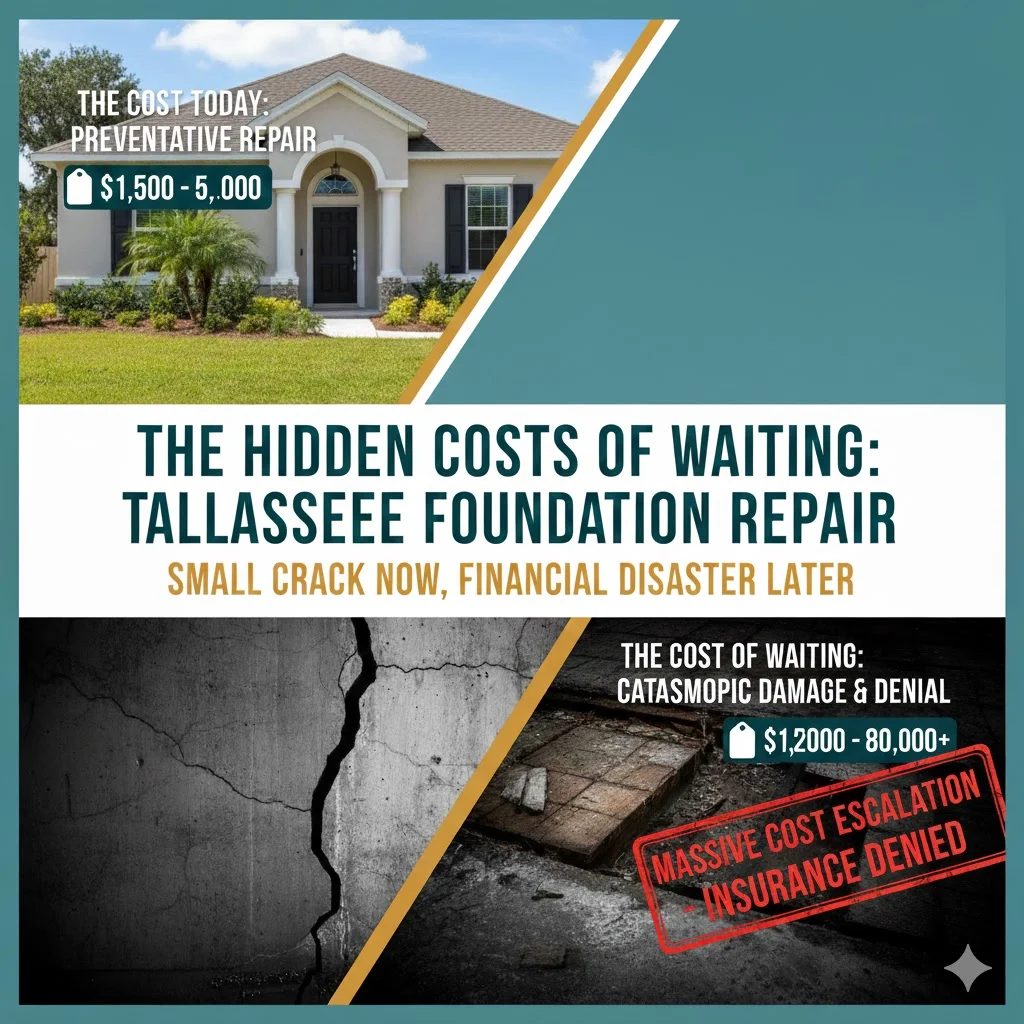
If you’ve noticed cracks in your walls, sticking doors, or uneven floors, one of the first questions on your mind is probably: how much is this going to cost? Foundation repair costs vary widely depending on the type of damage, the repair method needed, and the size of your home — but understanding the general price ranges can help you budget and avoid overpaying. Here’s a breakdown of what Tallahassee homeowners can typically expect. Average Foundation Repair Costs in Tallahassee Foundation repair costs generally fall into a few tiers, depending on severity: Because every property and every repair is different, the only way to get an accurate number is a professional inspection — but knowing these general tiers helps you understand where your situation likely falls before you call anyone. What Affects the Cost of Foundation Repair? Several factors influence your final price: 1. Type and Severity of DamageA single hairline crack costs far less to address than widespread settling or a foundation that’s shifted significantly. The longer damage goes untreated, the more it typically costs to fix — which is why early intervention saves money. 2. Repair Method RequiredHelical piles, underpinning, and pier & beam repairs all involve different labor, materials, and equipment — so the method matters as much as the severity. 3. Tallahassee’s Soil and ClimateTallahassee’s expansive clay soil shifts and swells with seasonal moisture changes, and heavy rains can erode soil around your foundation over time. Homes on particularly reactive soil, or in areas with poor natural drainage, may require additional water diversion or drainage work alongside the structural repair — which adds to the total cost but prevents the same problem from recurring. 4. Accessibility and Home SizeLarger homes, homes with limited crawl space access, or properties where equipment can’t easily reach the foundation may see higher labor costs. 5. Whether Drainage Issues Are InvolvedIf poor drainage is contributing to your foundation problem, addressing water diversion at the same time — rather than treating it as a separate future project — is usually more cost-effective than doing two separate jobs. Why Cheap Foundation Repair Estimates Can Cost You More It’s tempting to go with the lowest quote, but foundation repair is one area where cutting corners often leads to repeat costs. A cheap fix that doesn’t address the underlying cause — like ignoring a drainage problem while patching a crack — often means the same issue reappears within a year or two, and you end up paying for the repair twice. A thorough inspection that identifies the root cause, not just the visible symptom, is what actually protects your investment long-term. How to Get an Accurate Estimate The only reliable way to know your actual cost is a professional, in-person inspection. During an inspection, a qualified team should: If you’re comparing quotes, ask each company to explain why they’re recommending a specific method — a thoughtful answer tells you a lot about whether you’re dealing with a company solving the real problem or just applying a generic quick fix. Protect Your Home Before Small Problems Get Bigger Foundation issues rarely fix themselves, and in Tallahassee’s climate, delays often mean more soil movement, more water damage, and a bigger repair bill down the road. If you’re seeing early warning signs — cracks, sticking doors, or uneven floors — it’s worth scheduling an inspection now rather than waiting. Our team at Crawlspace Tallahassee provides free foundation inspections and transparent, itemized estimates, so you know exactly what you’re paying for and why. FAQ Is foundation repair ever a DIY project?No — foundation repair involves structural engineering decisions that require professional assessment. Attempting a DIY fix, especially on anything beyond a hairline surface crack, risks masking a bigger problem and can void warranties or complicate future repairs. Does homeowners insurance cover foundation repair?It depends on the cause. Most policies don’t cover damage from gradual soil movement or settling, but may cover sudden damage from a covered event (like a burst pipe). Check your specific policy or ask your insurer directly. How do I know if I need helical piles or just a crack repair?This depends on whether your foundation has actual structural movement (settling, shifting) versus surface-level cracking with no ongoing movement. A professional inspection is the only reliable way to tell the difference — schedule one here.
What Is the Lifespan of a Foundation Repair?
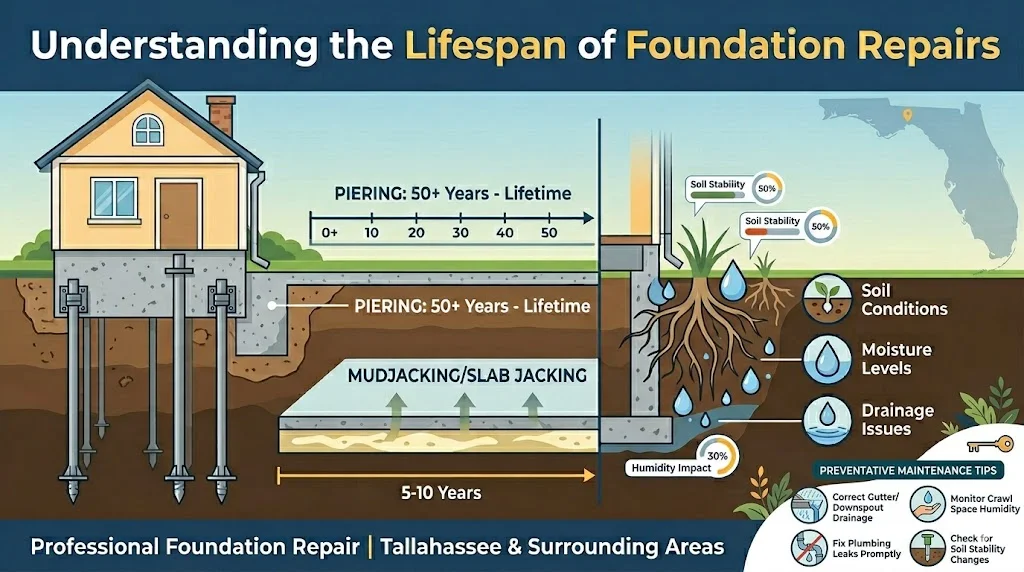
Foundation problems are one of the most serious structural issues a homeowner can face. Whether your home has settlement cracks, uneven floors, or shifting walls, investing in professional foundation repair is critical for protecting the structure and long-term value of your property. One of the most common questions homeowners ask is: How long does a foundation repair last? The answer depends on several factors, including the type of repair method used, the soil conditions, moisture levels, and whether the underlying cause of the damage has been properly addressed. In many cases, a professionally completed foundation repair can last decades—or even the lifetime of the home. In this guide, we’ll explain the average lifespan of different foundation repair methods, what affects repair longevity, and how homeowners in Tallahassee can maximize the life of their foundation repairs. Why Foundation Repairs Fail Over Time Foundation repairs are designed to stabilize the home and stop further structural movement. However, not all repairs perform the same over time. Some temporary fixes may only last a few years, while permanent structural solutions can remain effective for decades. The most common reasons foundation repairs fail include: If the root cause of the foundation problem is not corrected, the structure may continue to shift even after repairs are completed. Average Lifespan of Common Foundation Repair Methods Piering & Underpinning Systems Piering systems are one of the most durable foundation repair solutions available. Steel push piers and helical piers are installed beneath the foundation to stabilize and support the structure. Typical Lifespan: 50+ years to lifetime durability These systems are designed for long-term structural stabilization and are often backed by transferable warranties. Slab Jacking or Mudjacking Mudjacking lifts settled concrete slabs by pumping material beneath the surface. While effective for some situations, it is generally considered less permanent than piering systems. Typical Lifespan: 5–10 years Moisture and soil movement can eventually cause the slab to settle again. Crack Repair & Sealants Epoxy injections and crack sealants are commonly used to repair foundation cracks and prevent water intrusion. Typical Lifespan: 10–20 years These repairs work best when structural movement has already been stabilized. Crawl Space Support Systems Homes with crawl spaces often require support jacks, beam reinforcement, or wood replacement to correct sagging floors and weakened framing. Typical Lifespan: 20–50 years depending on moisture control Long-term performance depends heavily on humidity management and crawl space encapsulation. How Florida Soil & Moisture Affect Foundation Repairs In Tallahassee and surrounding areas, foundation lifespan is heavily influenced by local environmental conditions. Florida homes are exposed to: These factors place constant stress on foundations and can shorten the lifespan of repairs if moisture problems are not properly managed. This is why foundation repair in Tallahassee often includes: Addressing these environmental factors is essential for long-lasting repairs. Signs Your Previous Foundation Repair May Be Failing Even professionally repaired foundations should be monitored over time. Warning signs that a repair may be failing include: If these issues appear, it may indicate ongoing soil movement or unresolved moisture problems. How to Extend the Lifespan of Foundation Repairs Maintain Proper Drainage Water is one of the biggest threats to foundation stability. Keeping gutters, downspouts, and drainage systems functioning properly helps reduce soil movement around the home. Control Crawl Space Moisture Excess humidity beneath the home can weaken supports and create additional structural stress. Crawl space encapsulation and vapor barriers help protect the structure long-term. Schedule Regular Foundation Inspections Periodic inspections help identify small issues before they become major structural problems. Address Plumbing Leaks Quickly Underground plumbing leaks can saturate the soil beneath the home and destabilize the foundation over time. Are Foundation Repairs Permanent? Many professional foundation repair systems are considered permanent solutions when: High-quality piering systems and structural stabilization methods can often last the lifetime of the property. Why Professional Foundation Repair Matters Temporary fixes may appear cheaper upfront, but they often fail within a few years and lead to recurring structural problems. Professional foundation repair contractors use engineered solutions designed to handle long-term soil movement and moisture conditions. An experienced contractor will: This significantly increases the lifespan and effectiveness of the repair. Protect Your Home with Long-Lasting Foundation Repair Foundation repair is an investment in your home’s safety, stability, and long-term value. While the lifespan of repairs depends on several factors, professionally installed solutions can provide decades of protection when combined with proper moisture control and maintenance. If you are experiencing cracks, uneven floors, or signs of structural movement, Crawlspace Tallahassee provides professional foundation repair solutions designed for Florida homes and soil conditions.
Why Crawl Space Moisture Is a Major Problem in Crawfordville, FL Homes
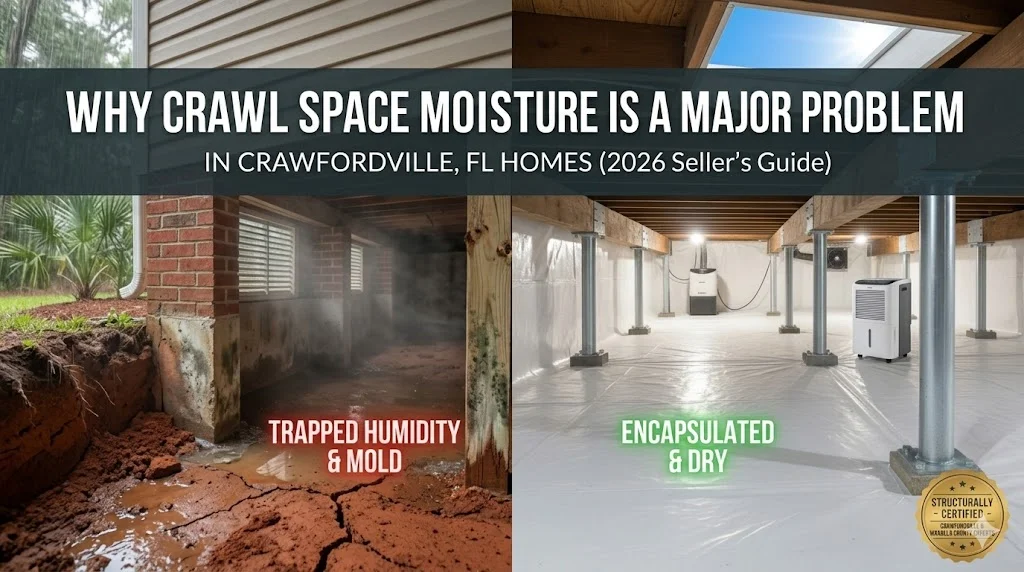
If you’re a homeowner in Crawfordville, FL, dealing with musty odors, high humidity, or uneven floors, there’s a strong chance the issue is coming from your crawl space. Crawl space moisture is one of the most common and damaging problems in Florida homes, and in Crawfordville, the risk is even higher due to environmental conditions. Understanding how moisture affects your crawl space—and what to do about it—can help you protect your home’s structure, air quality, and long-term value. Why Crawl Space Moisture Is So Common in Crawfordville Homes in Crawfordville face unique challenges due to Florida’s climate. High humidity, frequent rainfall, and poor soil drainage create the perfect environment for moisture buildup beneath your home. Unlike dry climates, moisture doesn’t easily evaporate here. Instead, it gets trapped in crawl spaces, leading to long-term damage if not properly managed. What Causes Moisture in Crawl Spaces? Several factors contribute to crawl space moisture problems in Crawfordville homes: Even small amounts of moisture can gradually lead to serious structural and environmental issues. Signs You Have Crawl Space Moisture Problems Many homeowners don’t realize there’s a problem until the damage becomes visible. Here are the most common warning signs: If you’re experiencing any of these, it’s time to consider crawl space repair in Crawfordville before the issue worsens. How Moisture Damages Your Home Crawl space moisture doesn’t stay contained—it affects your entire home. 1. Structural Damage Excess moisture weakens wooden beams and floor joists, leading to sagging floors and long-term structural instability. 2. Mold and Air Quality Issues Moist environments promote mold growth, which can spread into your living space and impact indoor air quality. 3. Wood Rot and Pest Infestation Damp conditions attract termites and pests while accelerating wood rot, further compromising your home’s structure. 4. Increased Energy Costs Moist air makes your HVAC system work harder, increasing energy consumption and utility bills. Why You Shouldn’t Ignore Crawl Space Moisture Ignoring moisture problems can lead to costly repairs down the line. What starts as minor humidity can turn into: Early action is always more cost-effective and prevents long-term damage. Professional Crawl Space Repair Solutions in Crawfordville The most effective way to fix crawl space moisture is through professional repair solutions designed for Florida’s conditions. Crawl Space Encapsulation Sealing your crawl space with a vapor barrier prevents moisture from entering and helps maintain a controlled environment. Moisture Control Systems Installing proper drainage and dehumidification systems helps eliminate excess moisture and prevent future buildup. Structural Repairs Damaged wood and weakened supports are repaired or reinforced to restore structural integrity. Why Local Expertise Matters Crawl space repair isn’t one-size-fits-all. Homes in Crawfordville require solutions tailored to local soil, climate, and moisture conditions. Working with professionals experienced in crawl space repair services in Tallahassee and surrounding areas ensures that the root cause of the problem is properly addressed. Protect Your Home with Crawl Space Repair in Crawfordville If you’re dealing with moisture issues, don’t wait until the damage becomes severe. A professional inspection can identify the problem early and provide the right solution to protect your home. For expert solutions, explore our crawl space repair in Crawfordville services, and get a customized plan designed for your home. Final Thoughts Crawl space moisture is more than just a minor inconvenience—it’s a serious issue that can impact your home’s structure, air quality, and value. In Crawfordville, where humidity and moisture are constant challenges, proactive maintenance and timely repairs are essential. Taking action now can save you from costly repairs and ensure your home stays safe, dry, and stable for years to come.
What Is a Retrofit Assessment? Complete Guide for 2025
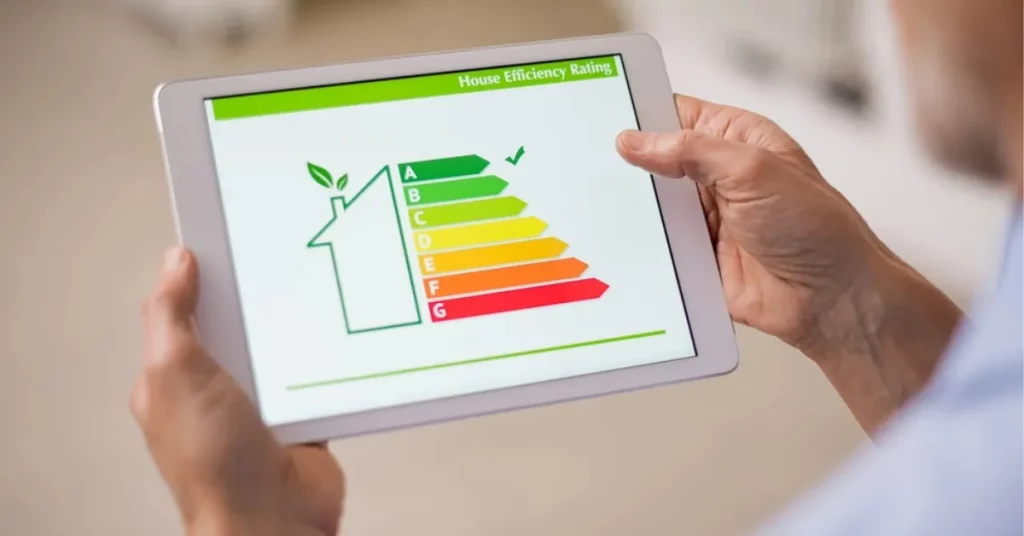
A retrofit assessment is your starting line for transforming homes and buildings into more energy-efficient, comfortable, and financially sustainable spaces. In 2025, as energy costs rise and environmental regulations become stricter, understanding retrofit assessments is essential for homeowners, landlords, councils, and anyone responsible for building maintenance. Let’s break down what a retrofit assessment involves, why it matters, and how it fits into modern sustainability goals. What Is a Retrofit Assessment? A retrofit assessment is a detailed evaluation of a property’s condition, current energy performance, and the way occupants use the space. Its main goal is to identify opportunities to save energy, lower carbon emissions, and improve comfort, all while making sure any work aligns with regulations like PAS 2035—the UK’s framework for domestic retrofit projects. What Does a Retrofit Assessment Cover? The assessment is typically performed by a qualified professional and takes a “whole-house” or “whole-building” approach, meaning the assessor examines the property’s structure, insulation, heating and cooling systems, ventilation, and even occupancy patterns. Here’s what’s included: Key Differences: Retrofit Assessment vs. EPC While an Energy Performance Certificate (EPC) is required for selling or renting a property and provides a quick energy-rating snapshot (A-G scale), it’s broad and surface-level. A retrofit assessment goes far deeper, providing a custom action plan, identifying hidden issues, and offering cost-benefit breakdowns for each recommendation. An EPC might tell you your home is poorly insulated; a retrofit assessment will show you how to fix it, in what order, and estimate the return on investment. What Happens After an Assessment? Who Benefits from a Retrofit Assessment? Why Retrofit Assessments Matter in 2025 With stricter regulations (like the requirement for rental homes to reach EPC C by 2035) and more funding opportunities, a good assessment helps you: Common Questions How long does a retrofit assessment take?Typically 1–3 hours, depending on property size and complexity. How much does it cost?Fees range from £120 to £950, depending on location, assessor, and property. Will the assessment disrupt my home life?Usually, the process is minimally invasive, focusing on inspections and questions. How long is the assessment valid?The report remains a useful reference for several years but should be updated as work is completed or property usage changes. Conclusion A retrofit assessment in 2025 is more than just a checklist—it’s a custom, detailed strategy for modernising your home or building. It considers both your needs and government requirements, and sets the stage for lower bills, improved comfort, and a smaller carbon footprint. If you want to create a smart, green, and future-ready living space, start with a retrofit assessment—your launchpad for all energy-saving and sustainability upgrades.