
Foundation problems rarely fix themselves — and choosing the wrong repair method can lead to recurring damage, wasted money, and structural risk. In Tallahassee, shifting clay soil, heavy rainfall, and persistent humidity put constant pressure on foundations and crawl spaces. That’s why professional evaluation and the right repair strategy matter.
If you’re seeing cracks, uneven floors, or moisture issues, here’s what you need to know about the most effective foundation repair methods used locally.
When Minor Repairs Are Enough — And When They’re Not
Not every crack means major structural failure, but surface repairs alone often don’t address the underlying cause. Minor repair solutions may include:
- Crack sealing and stabilization
- Drainage correction
- Moisture control improvements
These solutions work best when structural movement is minimal. But if soil shifting or settlement is ongoing, structural support systems are required to prevent further damage.
Structural Foundation Repair Methods
Helical Piers
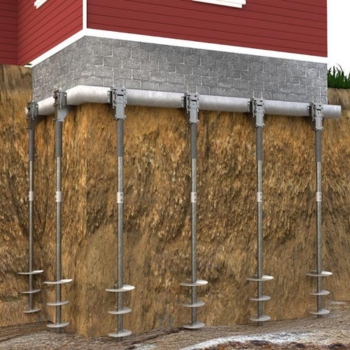
Helical piers are steel shafts installed deep into stable soil layers to lift and stabilize settling foundations. Best for:
- Significant foundation settlement
- Load-bearing structural correction
- Long-term stabilization
Why they work locally:
They bypass weak upper soil layers affected by moisture fluctuations.
Push Piers
Push piers are hydraulically driven steel supports installed beneath the foundation to restore stability. Best for:
- Significant foundation settlement
- Load-bearing structural correction
- Long-term stabilization
Key benefit:
They transfer the structure’s weight to stronger soil or bedrock.
Underpinning Systems
Underpinning strengthens an existing foundation by extending its depth or distributing structural load more effectively. Best for:
- Severe structural movement
- Commercial buildings
- Long-term structural reinforcement
This method is often used when multiple structural issues occur simultaneously.
Crawl Space Structural Support Systems
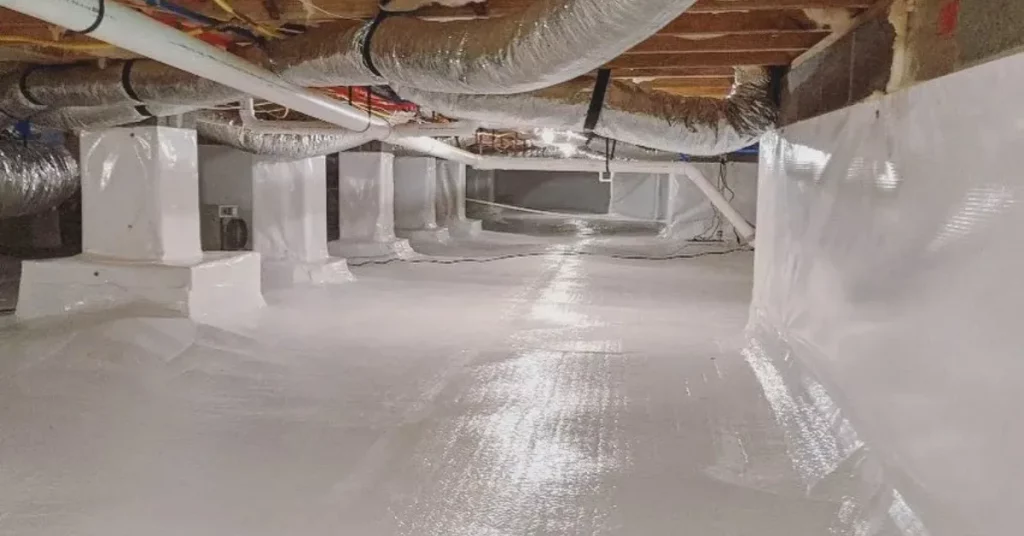
Many foundation problems begin in the crawl space, where weak support beams, excess moisture, and shifting soil can gradually compromise the stability of the entire structure. When these issues are identified early, professional solutions such as reinforced support posts, beam stabilization, and improved moisture and drainage control can restore structural integrity and prevent further movement. Addressing crawl space structural concerns at the source helps protect the foundation, reduce long-term repair costs, and maintain the safety and value of the property.
How Professionals Choose the Right Repair Method
Every property is different. A professional assessment evaluates:
- Soil conditions and drainage patterns
- Structural load distribution
- Severity of settlement or movement
- Moisture intrusion sources
- Long-term stability requirements
The goal is not just to fix visible damage — but to correct the root cause of foundation movement.
Why Incorrect Repairs Lead to Recurring Problems
Temporary or improper fixes often fail because they don’t stabilize the structure. Common risks include:
- Reappearing cracks
- Continued settlement
- Moisture-related structural damage
- Reduced property value
- Increased repair costs later
Professional repair methods are designed for long-term structural stability — not short-term patchwork.
Signs Your Property Needs a Professional Evaluation
Schedule a professional inspection if you notice:
- Cracks in walls, floors, or foundations
- Uneven or sloping floors
- Doors and windows are sticking
- Moisture or mold in crawl spaces
- Gaps between walls and floors
Early detection reduces repair complexity and protects your property’s structural integrity.
Schedule Your Professional Foundation Assessment
Choosing the right repair method starts with an expert evaluation. A professional inspection identifies the cause of damage and recommends the most effective long-term solution for your home or commercial property.